Home Gym vs Gym Membership: The Real Cost Breakdown
This debate comes up constantly among serious lifters. And it almost always gets answered wrong — because most people compare the upfront cost of building a home gym against the monthly cost of a membership without running the actual math over time.
Do that math, and the answer becomes a lot clearer. It also depends on factors most comparison articles skip — what you actually train, how often you go, what kind of gym you’re comparing, and what your space situation looks like.
This article runs the real numbers for both options at multiple price points, identifies who each option is actually right for, and gives you a clear framework to make the decision for your specific situation.
(Pricing based on mid-2026 market rates. Verify current equipment and membership prices in your area before making a decision.)
The Core Problem With How Most People Compare These Options
The typical comparison looks like this: a gym membership costs $50 a month, so that’s $600 a year. A home gym costs $2,000 upfront. Therefore the gym pays off after 3.3 years.
That math isn’t wrong — it’s just incomplete. It ignores:
- The range of gym membership costs (from $20/month at a basic gym to $200+/month at a premium facility)
- The range of home gym costs (from $300 for a minimal setup to $5,000+ for a fully equipped space)
- The value of convenience and what it does to training consistency
- Equipment longevity — home gym equipment, bought well, lasts 10–20 years
- The opportunity cost of the money spent on equipment upfront
- What you actually need to train the way you train
A fair comparison accounts for all of these. Here’s how to run it properly.
Option 1: The Gym Membership — Real Cost Breakdown
Gym memberships exist across a wide price range. Here’s what each tier actually costs and what you get.
Budget gyms — $20–$35/month
Planet Fitness, Crunch, and similar budget chains. Basic cardio equipment, selectorized machines, some free weights up to 75–80 lbs, and a crowded floor on weekday evenings. No squat racks at most budget gyms — this matters if you barbell squat or deadlift.
Annual cost: $240–$420/year
10-year cost: $2,400–$4,200 (before any rate increases)
Mid-tier gyms — $40–$80/month
LA Fitness, 24 Hour Fitness, regional chains. More equipment variety, actual squat racks and barbells, better free weight selection, often includes pools and group classes. This is the tier most serious lifters end up at when they join a commercial gym.
Annual cost: $480–$960/year
10-year cost: $4,800–$9,600
Premium gyms — $100–$200+/month
Equinox, Life Time Fitness, high-end boutique facilities. Premium equipment, lower crowding, better recovery amenities (sauna, pool, cold plunge), classes, and personal training discounts. Worth it for some people — not for most.
Annual cost: $1,200–$2,400/year
10-year cost: $12,000–$24,000
Hidden gym costs most people underestimate:
- Initiation or enrollment fees: $0–$100 at most gyms
- Annual fees charged by many chains: $30–$50/year on top of monthly dues
- Commute time: 15–30 minutes each way adds 30–60 minutes per session, which is real time cost even if it’s not a dollar cost
- Parking: $0–$5 per session at some urban facilities
- Childcare: $5–$15 per session at gyms offering it
Option 2: The Home Gym — Real Cost Breakdown
Home gym costs vary more than membership costs because you’re making equipment choices rather than selecting a tier. Here’s what different levels of home gym actually cost.
Minimal setup — $300–$600
Adjustable dumbbells or a fixed dumbbell set to 50 lbs, resistance bands, a pull-up bar, and a jump rope or kettlebell. Covers 70–80% of what most people need for strength and conditioning. Fits in a bedroom or small garage space.
Best for: people whose training is primarily bodyweight, dumbbell, and band-based. Covers most fitness and hypertrophy programming that doesn’t require a barbell.
Intermediate setup — $800–$1,500
Adjustable dumbbells, adjustable bench, pull-up bar, resistance bands, and a kettlebell or two. Everything in the minimal setup plus the bench that unlocks pressing movements. This is the setup covered in detail in the home gym setup article on this site — a genuinely complete training environment for most people.
Best for: serious lifters who train primarily with dumbbells, bodyweight, and bands, and want a full pressing capability without a barbell.
Complete setup — $2,000–$4,000
Everything above plus a barbell, weight plates (200–300 lbs worth), and a squat stand or power rack. This is a full strength training gym — every compound movement available, no limitations on progression.
Best for: powerlifters, serious strength athletes, or anyone whose programming is built around barbell movements (squat, deadlift, bench, overhead press).
Premium setup — $5,000+
Complete barbell setup plus cable machine or functional trainer, specialty bars, commercial-grade dumbbells, flooring, mirrors, and potentially cardio equipment. At this point you’re building a legitimate commercial-quality space.
Best for: people with the space, budget, and training volume to justify it. A small minority of home gym builders.
The Breakeven Analysis — When Home Gym Wins
Here’s the math that actually matters. At what point does a home gym become cheaper than a gym membership, assuming you train consistently?
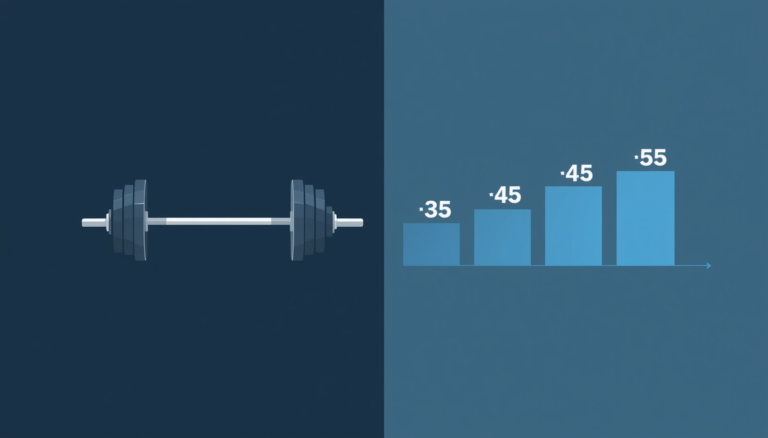
| Home Gym Cost | vs. Budget Gym ($30/mo) | vs. Mid-Tier Gym ($60/mo) | vs. Premium Gym ($150/mo) |
|---|---|---|---|
| $500 minimal | 14 months | 8 months | 3 months |
| $1,200 intermediate | 40 months (3.3 yrs) | 20 months (1.7 yrs) | 8 months |
| $3,000 complete | 100 months (8.3 yrs) | 50 months (4.2 yrs) | 20 months (1.7 yrs) |
A few things this table makes clear:
A minimal home gym setup ($500) pays off against any membership tier in under 14 months. That’s fast. The equipment then lasts 10+ years with basic care — producing compounding savings every year after the breakeven.
A complete barbell setup ($3,000) takes 8+ years to beat a budget gym. If you’re comparing against a mid-tier gym at $60/month, you break even in about 4 years. Against a premium gym, under 2 years.
The comparison that most people should be running — a $1,200–$1,500 intermediate home gym against a $50–$60/month mid-tier membership — breaks even in roughly 20–24 months. After that, the home gym is essentially free.
What the Math Doesn’t Capture
Numbers tell most of the story. A few factors that the breakeven table can’t quantify:
Convenience and consistency. The gym you actually go to is infinitely better than the gym you skip. For some people, a home gym removes the friction of driving, parking, and dealing with a crowded floor — and they train more consistently as a result. For others, leaving the house is what gets them out of bed, and training at home leads to skipped sessions. Know which type you are before you buy equipment.
Social and accountability factors. Some people train better around other people. The energy of a busy gym floor, the occasional conversation with someone who trains seriously, the visible effort of others — these are real motivators for certain personalities. Home training is solitary. That’s a feature for some and a bug for others.
Equipment variety and progression. A well-equipped commercial gym has cable machines, specialty bars, a variety of machines, and more weight than you’ll ever need. A home gym has exactly what you bought. For most training styles this doesn’t matter — the home gym equipment article covers what actually earns its place. But if your programming requires cables, specific machines, or very heavy loading, the commercial gym has a legitimate equipment advantage.
Space and living situation. A home gym requires space. If you’re in an apartment with 800 square feet, a rental without garage access, or a living situation that changes every year or two, the home gym math changes significantly. A $3,000 equipment investment that you have to sell or store in two years is a different calculation than the same equipment in a house you own.
Resale value. Quality home gym equipment — Rogue barbells, PowerBlock dumbbells, REP Fitness racks — holds its value exceptionally well. A $1,000 barbell and rack bought new sells used for $600–$800 years later. Cheap equipment doesn’t. Buy quality if you’re going to buy, because the resale value is part of the real cost calculation.
Who Should Build a Home Gym
Home gym is the right call if:
- You own or rent a space with a dedicated room, garage, or basement available for training
- You train consistently 3–5 times per week and membership costs are a meaningful budget line
- Your programming is barbell, dumbbell, and bodyweight focused
- You value the convenience and time savings of training at home
- You’ve been lifting long enough to know what equipment your training actually requires
- You plan to stay in your current living situation for at least 2–3 years
The home gym equipment article on this site ranks every major equipment category by value and gives a specific build order — starting from a minimal setup and adding intelligently as training demands grow. That’s the right starting point for anyone seriously considering this path.
Who Should Keep the Gym Membership
A commercial gym membership is the right call if:
- You’re newer to training and still figuring out what your programming requires
- You live in an apartment or rental without garage or basement space
- You move frequently and can’t justify the upfront investment
- Your training requires equipment variety — cables, machines, specialty bars — that a home gym can’t replicate within a reasonable budget
- The social environment and accountability of training around other people genuinely helps your consistency
- You use gym amenities beyond the weight floor — pool, sauna, group classes — that make the membership cost reasonable
At $40–$60 per month, a mid-tier gym membership is a reasonable recurring expense for someone who uses it consistently. The math only favors the home gym if you actually build it and actually use it.
The Hybrid Option Worth Considering
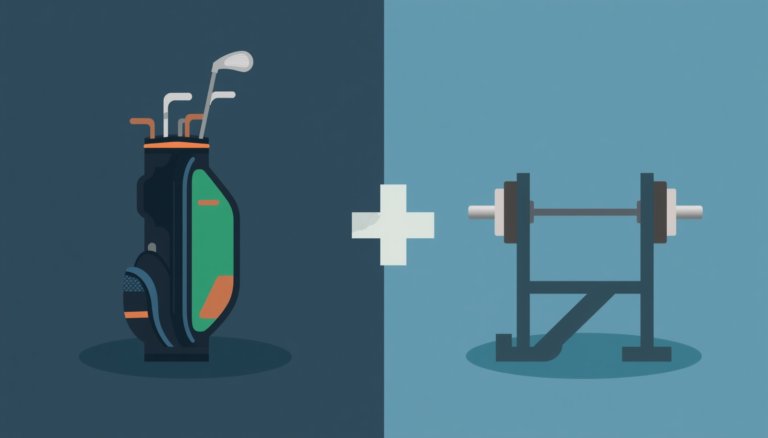
A lot of serious lifters end up here: a minimal home gym for early morning or convenience training, combined with a budget gym membership for the equipment or environment they can’t replicate at home.
A $500 home setup plus a $25/month Planet Fitness membership costs roughly $800 in year one and $300/year after that. You get home gym convenience for most sessions plus access to commercial equipment when you need it. For someone whose programming is primarily dumbbell and bodyweight with occasional heavy barbell work, this hybrid approach often wins on both cost and flexibility.
The Bottom Line
For anyone training seriously 3+ times per week with a stable living situation and 2+ years at the same address, a home gym almost always wins on cost over a 3–5 year horizon. The breakeven comes faster than most people expect, the equipment lasts far longer than any membership commitment, and the convenience compounds into more consistent training over time.
For newer lifters, frequent movers, apartment dwellers, or anyone who trains better in a commercial environment, the membership remains the right call — especially at budget gym prices.
Run the math for your specific situation using the breakeven table above. The answer will be clear faster than you think.
This article contains financial estimates for informational purposes only. Your actual costs may vary. This is not personalized financial advice.
Sources & Data
- Gym membership pricing: based on publicly available pricing from Planet Fitness, LA Fitness, 24 Hour Fitness, and Equinox (mid-2026)
- Home gym equipment pricing: based on current pricing from Rogue Fitness, REP Fitness, PowerBlock, and Amazon (mid-2026)
- Breakeven calculations: based on stated equipment costs and monthly membership rates using standard amortization over stated periods