
NIL Money: What College Athletes Should Do First
College athletes are finally getting paid. That’s a good thing.
What’s not good: most of them have no idea what to do with the money when it arrives — and the financial system is not exactly rushing to explain it to them.
NIL income (Name, Image, and Likeness) is treated as self-employment income by the IRS. That means no employer withholding taxes for you. No W-2 at the end of the year. Just a check — or a Venmo payment, or a brand deal — and a tax bill you didn’t see coming.
This article is going to walk you through exactly what to do when that money hits your account. In order. No fluff.
First: Understand What NIL Income Actually Is
NIL income is money you earn by allowing a company, brand, or individual to use your name, image, or likeness. That includes:
- Social media posts promoting a product or brand
- Autograph signings
- Appearance fees
- Endorsement deals
- Merchandise with your name or number
- Lessons or camps where you’re the draw
All of it is taxable. All of it is self-employment income. The IRS treats you the same as a freelancer or a small business owner.
Here’s what that means in plain English: when a regular employee gets paid, their employer withholds income taxes, Social Security, and Medicare automatically. When you get NIL money, none of that happens. The full check lands in your account, and it’s on you to handle the taxes.
Most college athletes find this out when they file their first return and owe more than they expected. Don’t be that person.
Step 1: Open a Separate Bank Account for NIL Income
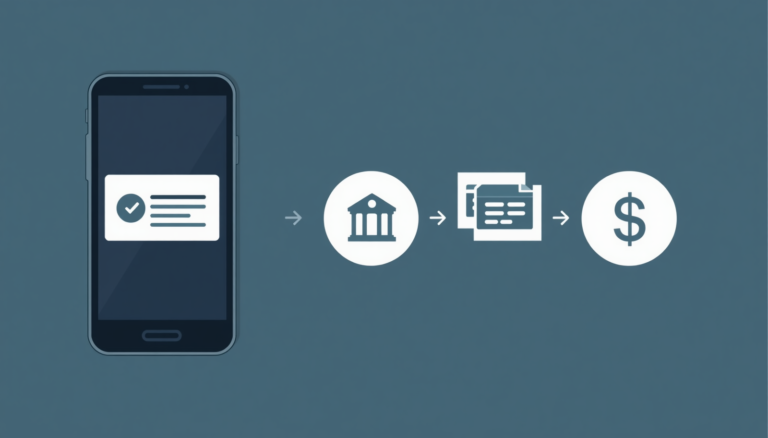
The first thing you do when NIL money arrives is open a separate checking account just for that income.
Not your main account. A separate one.
This does two things. First, it keeps your NIL money organized and visible — you always know exactly what came in and what went out. Second, it makes tax time dramatically easier because everything is in one place.
Most major banks offer free checking accounts with no minimums. Open one at whatever bank you already use, label it clearly (even just calling it “NIL” in the app), and route all your NIL payments there.
This sounds like a small thing. It isn’t. Athletes who mix NIL money with their regular spending end up spending money they needed for taxes.
Step 2: Set Aside 25–30% for Taxes Immediately
Every time NIL money hits that account, move 25–30% of it into a savings account and don’t touch it.
That money belongs to the IRS. You’re just holding it until it’s due.
Here’s the breakdown of why that percentage: federal income tax for most college athletes earning NIL will land somewhere in the 10–22% bracket depending on total income. On top of that, self-employment tax (Social Security + Medicare) adds another 15.3% on net self-employment earnings. Some of that is deductible, which is why 25–30% covers you without being excessive.
Example: You sign a $2,000 deal with a local gym to post on Instagram twice a month. The moment that $2,000 hits, move $500–$600 to savings. The remaining $1,400–$1,500 is yours to use.
Do this every single time. Make it automatic if you can. The athletes who don’t do this are the ones calling home in April asking their parents to help cover a surprise tax bill.
Step 3: Pay Quarterly Estimated Taxes
This is the step nobody tells college athletes about.
If you expect to owe more than $1,000 in federal taxes for the year, the IRS requires you to make quarterly estimated tax payments. The deadlines are typically:
- Q1 (Jan–Mar income): April 15
- Q2 (Apr–May income): June 15
- Q3 (Jun–Aug income): September 15
- Q4 (Sep–Dec income): January 15 of the following year
If you skip these payments and pay everything at tax time in April, you may owe a penalty on top of the taxes themselves — even if you have the money to cover it.
How to pay: go to IRS.gov/payments and pay directly through the IRS Direct Pay system. It’s free. Takes about 10 minutes.
How much to pay each quarter: take your estimated annual NIL income, multiply by 25%, and divide by 4. That’s your quarterly payment. It doesn’t have to be exact — you’re making your best estimate and adjusting as you go.
This is genuinely one of the most important financial habits you can build. Self-employed people who manage their quarterly taxes well never get surprised in April.
Step 4: Track Every Business Expense
Here’s where NIL athletes leave money on the table.
When you earn self-employment income, you can deduct legitimate business expenses from your taxable income. Less taxable income = lower tax bill.
What counts as a deductible NIL expense?
- Equipment: A camera, ring light, tripod, or microphone you use to create content
- Software: Editing apps, scheduling tools, design tools
- Training costs directly tied to your NIL brand (with a legitimate business connection)
- A portion of your phone bill if you use it for NIL content and promotion
- Travel costs for paid appearances or signings (mileage, parking)
- Professional services: If you hire someone to edit videos or manage your social accounts
Keep receipts. Track everything in a simple spreadsheet or a free app like Wave. When you sit down with a tax preparer (which you should for your first NIL return), you want a clean list of every expense.
A $1,500 camera you bought to film content for a brand deal might save you $300–$400 in taxes. That’s real money.
Step 5: Open a Roth IRA
Once the tax situation is handled, here’s where the smart move is: put some of that NIL money into a Roth IRA.
A Roth IRA is a retirement account where you contribute money that’s already been taxed — and then it grows completely tax-free for the rest of your life.
You can contribute up to $7,000 per year (2026 limit). The only requirement is that you have earned income — which NIL income qualifies as.
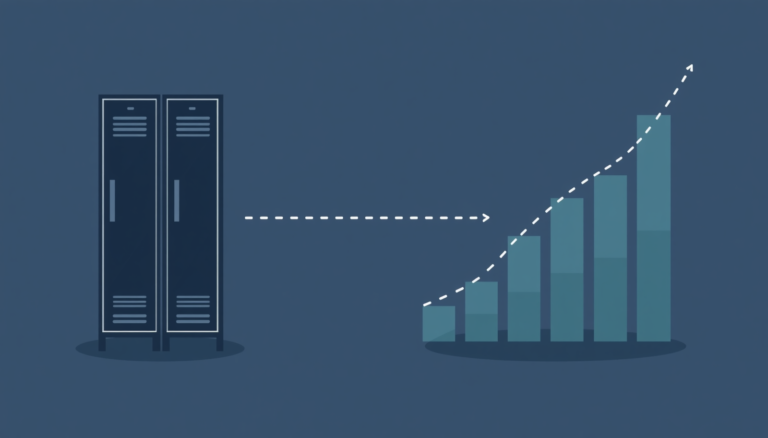
Why does this matter for a 19 or 20-year-old? Because money invested at your age has the longest possible runway. $2,000 invested in a Roth IRA at 20 could grow to $25,000–$30,000 by retirement — completely tax-free.
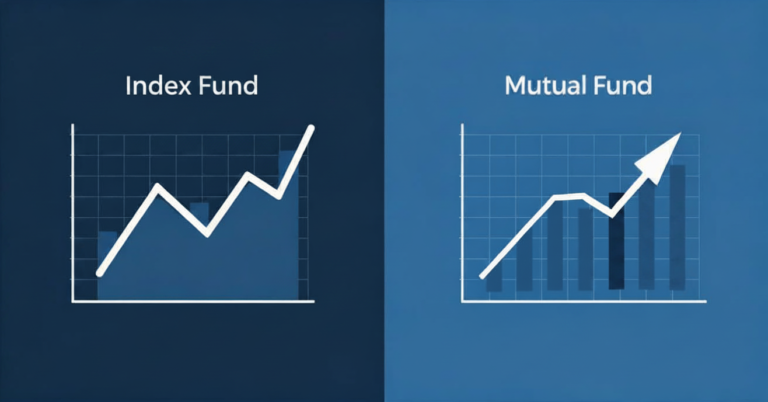
Open a Roth IRA at Fidelity or Vanguard. Both are free, reputable, and have no minimum to open. Put the money in a simple total market index fund (FZROX at Fidelity, VTI at Vanguard) and leave it alone.
Most college athletes don’t think about retirement. That’s exactly why doing it now puts you ahead of 95% of your peers.
Step 6: Get a Tax Preparer for Year One
Do your first NIL tax return with a professional. Not TurboTax. An actual CPA or enrolled agent who has experience with self-employment income.
This isn’t permanent. After one year of going through the process with someone who knows what they’re doing, you’ll understand the deductions, the quarterly payment system, and how your specific situation works. Year two and beyond, you may be comfortable doing it yourself.
But year one, with a new income type you’ve never dealt with before, is not the time to figure it out alone. A good tax preparer pays for themselves in deductions you wouldn’t have found.
Cost: $150–$400 depending on complexity. Worth every dollar.
The Biggest NIL Money Mistake
Spending it like it’s all yours.
It isn’t. Roughly 25–30% of every NIL check belongs to federal and state taxes before you touch a dollar of it. Athletes who treat the gross amount as their spending money end up in serious trouble by April.
The mental shift: when a $5,000 deal comes in, you made $3,500–$3,750. Not $5,000. The rest is in a savings account waiting for its actual owner.
Build that habit from your first check and you’ll never have a surprise tax bill.
Your NIL Money Action Plan
Here’s the full sequence, simplified:
- Open a separate bank account for NIL income only
- Set aside 25–30% for taxes every time money arrives — move it to savings immediately
- Pay quarterly estimated taxes at IRS.gov/payments (April, June, September, January)
- Track every business expense in a spreadsheet or free app
- Open a Roth IRA at Fidelity or Vanguard and invest the rest
- Hire a CPA for your first tax return
That’s it. Six steps. None of them are complicated. All of them matter.
The college athletes who handle NIL money well aren’t financial geniuses. They’re just disciplined — which, if you’ve been competing at this level, you already know how to be.
This article is for informational purposes only and does not constitute personalized financial advice. Consult a qualified professional for guidance specific to your situation.
Sources & Data
- Self-employment tax rate (15.3%): IRS Self-Employed Individuals Tax Center
- Quarterly estimated tax requirements and deadlines: IRS Topic No. 306
- Roth IRA contribution limits 2026: IRS — 401(k) limit increases to $24,500 for 2026, IRA limit increases to $7,500
- NIL income tax treatment: consistent with IRS guidance on self-employment income (Schedule C filers)